
Many emerging women’s casual wear brands, boutique owners, and DTC fashion sellers face unexpected losses when working with overseas apparel manufacturers. While overseas manufacturing offers affordable pricing, flexible customization, and diverse fabric options, small and mid-sized fashion brands often make avoidable mistakes that lead to ill-fitting products, delayed shipments, high return rates, and wasted budgets.
If you source custom casual dresses, linen blouses, knit tops, two-piece sets, and daily casual women’s outfits, understanding these common importing mistakes will help you run a smoother, more profitable private label clothing business.
1. Skipping Pre-Production Sampling & Only Trusting Photos
This is the #1 mistake for first-time women apparel importers. Many brand owners rush into bulk production based only on design pictures, fabric swatch images, or video confirmation.
Women’s casual wear is highly dependent on fabric drape, softness, thickness, and sewing details. A dress or blouse that looks perfect online may have loose stitching, poor draping, wrong fabric weight, or inaccurate colour tones in reality.
Professional manufacturers always provide pre-production samples for fit checking, colour confirmation, workmanship verification, and fabric performance testing. Skipping this step will directly cause large-batch defects and high customer return rates.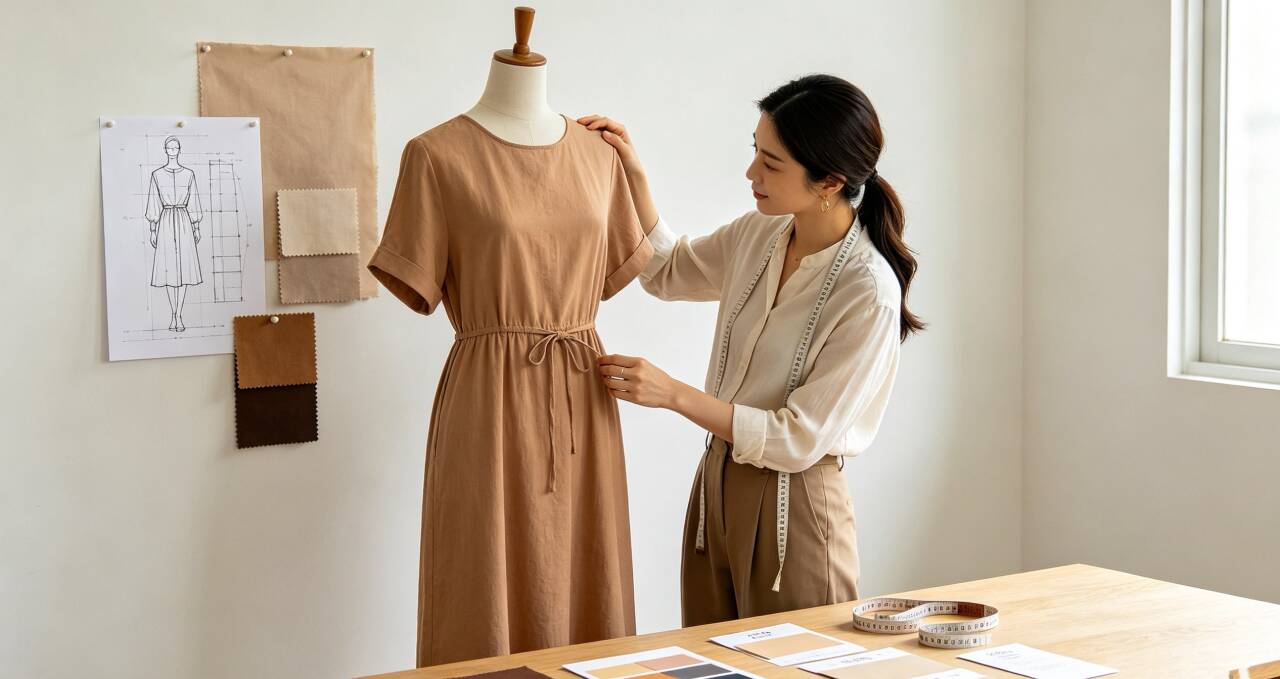
2. Unclear Sizing Standards & No Pattern Adjustment Request
Women’s casual clothing has stricter fitting requirements than unisex or men’s apparel. Many overseas factories may use different standard sizing,based on their experience. If you do not clearly request US sizing or EU sizing modification, there may be some misunderstanding.The garments will run small, tight, or mismatched in bust, waist, hip, and length. If you provide specific request,that would be much better.
Common fitting problems include:
• Too-tight bust for casual blouses and dresses
• Incorrect waist position for wide-leg pants
• Too-short sleeve length and body length for European customers
• Unsuitable hip stretch for casual knit outfits
Many new brands suffer massive returns simply because they forget to confirm market sizing standards before production. Always confirm your size chart and ask the factory to adjust patterns for your target market.
3. Ignoring Fabric Shrinkage & Washing Performance
Most popular women casual fabrics, including linen, viscose, rayon, jersey cotton, and lightweight knitted materials, have natural shrinkage rates.
Without pre-wash treatment or shrinkage control during production, finished clothes will shrink after the first customer wash, leading to size inconsistency and bad reviews.
Experienced women apparel factories reserve reasonable shrinkage allowances during pattern cutting and fabric preparation, and pre-wash some fabric if needed,ensuring all garments keep stable sizes after washing. This detail makes a huge difference for long-term brand reputation.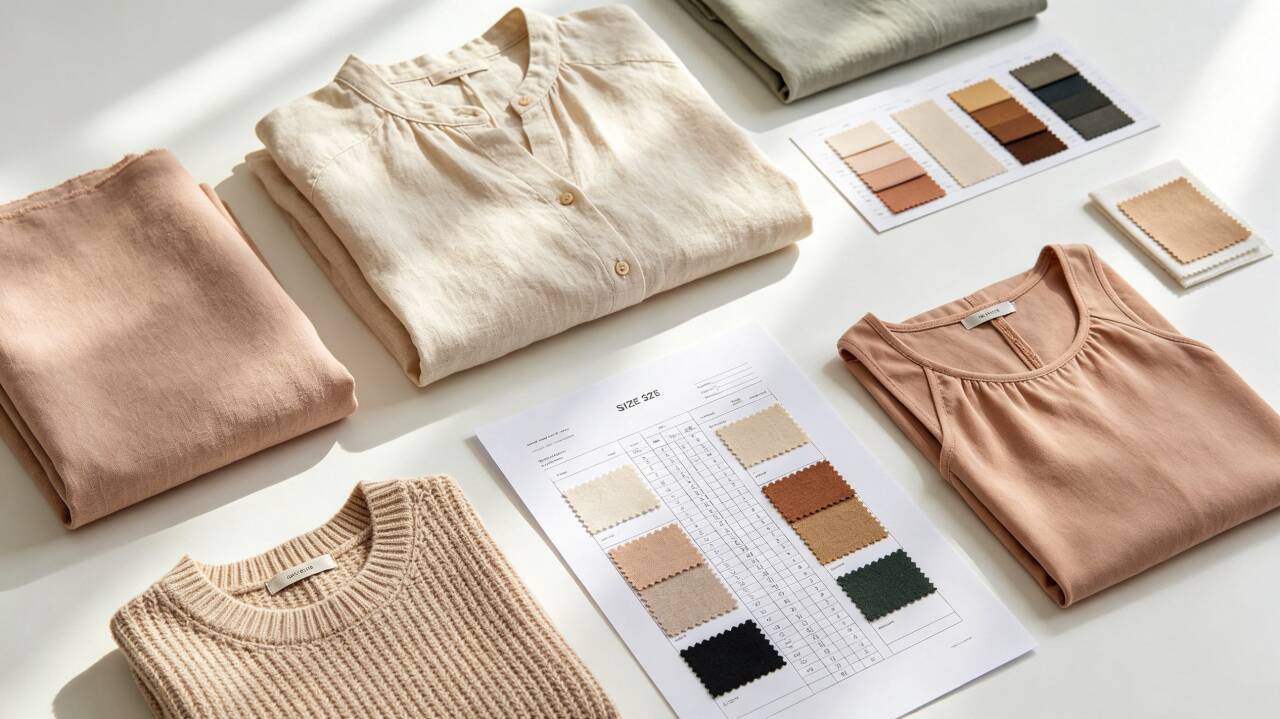
4. Vague Custom Color Requirements & No Color Confirmation
Casual women’s fashion relies heavily on colour consistency. Soft pastel tones, muted neutral colours, vintage earth tones, and dusty colours are extremely popular for minimalist and daily casual collections.
Common colour mistakes include:
• Confirming colours only by screen display (different monitors show different tones)
• No physical colour swatch confirmation
• Allowing different batch colour differences in one order
• Unclear requirements for garment dye, pigment dye, and washed colour effects
For boutique-level women casual wear, colour uniformity and texture consistency are essential for brand quality. Always confirm physical fabric swatches before bulk dyeing.
5. Neglecting Label, Tag & Import Compliance Rules
US and European fashion markets have strict regulations for clothing labels, care symbols, fabric composition descriptions, and country-of-origin tags.
Many importers make mistakes such as:
• Incorrect fabric percentage printed on care labels
• Wrong washing instructions
• Missing legal origin labels
• Unqualified hang tag text information
Non-compliant labeling may cause customs hold, inspection delays, or even order rejection. Professional private label manufacturers provide standard, market-compliant label solutions for women’s casual apparel.
6. Frequent Last-Minute Design Revisions During Mass Production
Many brand owners adjust details after production starts, such as changing neckline styles, adjusting sleeve length, modifying prints, or switching fabric types.
Last-minute changes will cause:
• Production line pause and delayed lead time
• Extra labor and material costs
• Mixed defective goods in bulk orders
• Inconsistent product quality
To avoid this issue, finalize all designs, tech pack details, patterns, colours, and craftsmanship before production begins
7. Ignoring Quality Control Procedures
Some small buyers skip formal quality inspection to save costs. However, women’s casual outfits require strict checks for loose threads, uneven stitching, fabric defects, colour stains, and symmetry problems.
Without systematic QC checking, defective items will be shipped to your customers, increasing your after-sales pressure and damaging your brand image.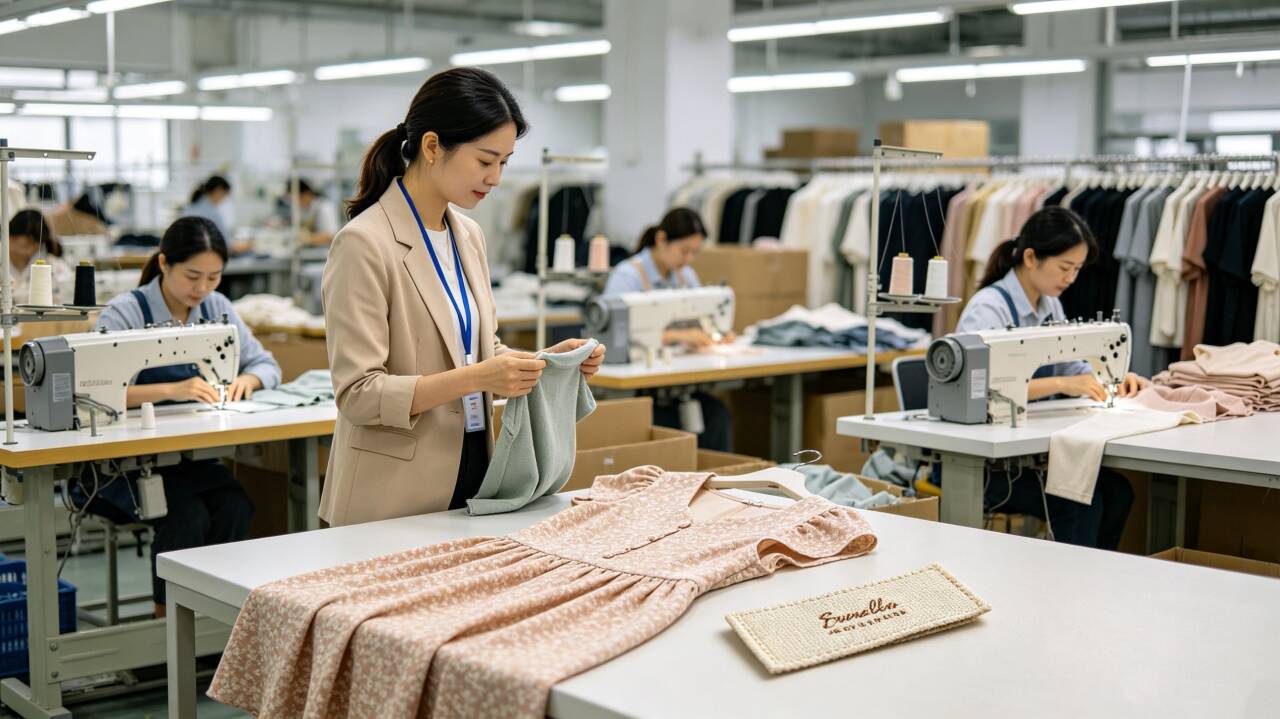
8. Unrealistic Lead Time Planning
Fashion seasons change fast. Many boutique owners underestimate production time, fabric sourcing time, and shipping transit time.
Peak seasons, fabric shortages, and international shipping delays will easily postpone your new collection launch. Always reserve extra buffer time for your bulk orders.
Final Tips for Safe & Successful Women Casual Wear Importing
Working with a professional women casual wear manufacturer can eliminate 90% of common importing risks. Reliable suppliers provide full services including custom patterning, size adjustment, colour confirmation, pre-production sampling, strict QC testing, private label branding, and stable shipping arrangements.
If you are building your own private label women casual clothing line and looking for low-MOQ, high-quality custom manufacturing support, feel free to send your tech packs, design photos, or collection plans to our team. We offer free consultation and custom quotation for your brand.
 How to Source Private Label Women Casual Clothing from China (Complete Guide)
 The Top Women's Fashion Colors for 2025: Bold, Bright, and Beautiful
 Peach Fuzz -- 2024 Popular color
 Fashion colors | Spring and summer 2023 women's top 10 popular color analysis
